
Memoria Científica 2024
Descubre nuestro impacto este año
Live imaging de un embrión humano en proceso de hatching. Platcha Lab.
Carta del Presidente
La salud reproductiva sigue planteando grandes preguntas: ¿Cómo diagnosticar mejor las enfermedades ginecológicas? ¿Cómo mejorar los tratamientos existentes? En la Fundación Carlos Simón, no solo buscamos respuestas, sino soluciones reales. En 2024, hemos ampliado nuestra investigación utilizando nuevas tecnologías, abordando nuevos proyectos y fortaleciendo alianzas con grupos de excelencia para que la ciencia tenga un impacto tangible en la vida de las mujeres.
Esta memoria es un reflejo de este esfuerzo y de nuestro compromiso con el futuro. Gracias a quienes lo hacen posible. Seguimos avanzando.
Carlos Simón
Presidente de la Fundación Carlos Simón

Nuestra misión y pilares
Creemos en una ciencia que trascienda el laboratorio y llegue a las personas. Nuestra misión es mejorar la salud de la mujer y se sustenta en tres pilares esenciales:
Investigación biomédica
Realizamos investigación biomédica de excelencia en salud de la mujer
Traslación clínica
Transformamos el conocimiento científico desde el laboratorio a la clínica y la sociedad
Educación
Transmitimos nuestro conocimiento y cultura institucional a las nuevas generaciones
2024 en cifras
En 2024 hemos continuado nuestra actividad investigadora a través de proyectos pioneros, gracias al apoyo institucional, el compromiso del equipo y una financiación que ha permitido seguir avanzando en salud reproductiva.


Equipo y Talento
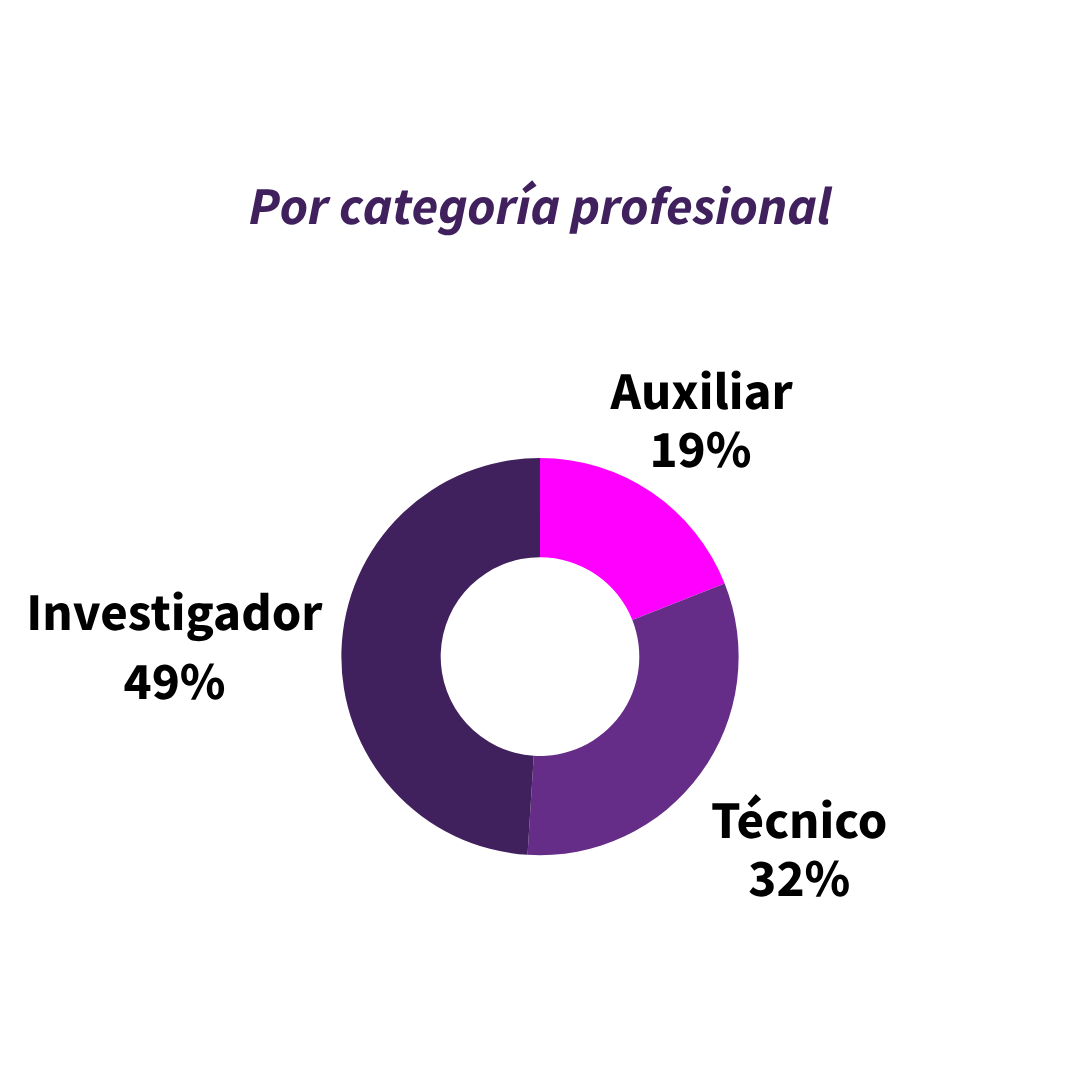
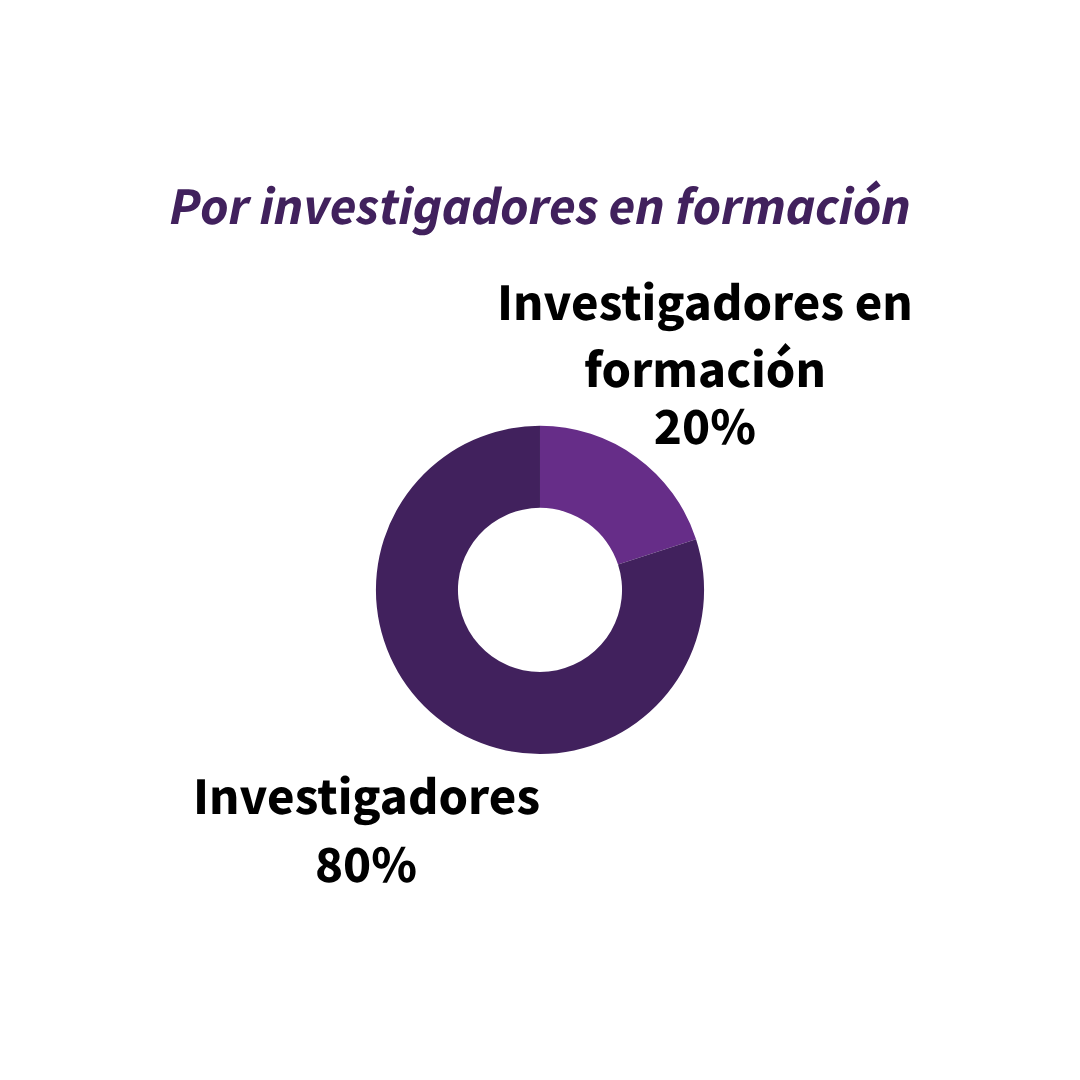
La Fundación Carlos Simón es mucho más que un centro de investigación: es un ecosistema de talento. Un equipo multidisciplinar de 34 profesionales, unidos por el compromiso de transformar la salud reproductiva de la mujer.

Financiación
Gracias a la financiación obtenida en 2024 hemos iniciado nuevas líneas de investigación y consolidado alianzas estratégicas.


Proyectos destacados con financiación competitiva en 2024:


Proyecto HETEROGENEITY
Desarrollo de un atlas celular del microambiente tumoral ginecológico para guiar tratamientos más precisos y personalizados
Ref. PI23/00536
226 K€
Financiado por ISCIII

Puede consultar el listado completo de proyectos con financiación competitiva aquí
- Estudio del impacto del microbioma endometrial sobre el endometrio humano en condiciones fisiológicas y patológicas a nivel de célula única. Instituto de Salud Carlos III; Proyectos de Investigación en Salud (PI) PI21/00235; IP: Inmaculada Moreno. Duración: 01/01/2022 – 30/12/2024. Cuantía: 169.279,00 €.
- Caracterización transcriptómica de la implantación embrionaria humana a nivel de célula única usando un endometrio 3D en un chip de microfluídica. Instituto de Salud Carlos III; Proyectos de Investigación en Salud (PI) PI21/00528; IP: Felip Vilella. Duración: 01/01/2022 – 30/12/2024. Cuantía: 90.750,00 €.
- Preventing lifetime obesity by early risk-factor identification, prognosis and intervention. Comisión Europea; Programa Horizonte Europa EPROBES (101080219-2); IP: Carlos Simón / Felip Vilella. Duración: 01/05/2023 – 30/04/2028. Cuantía: 480.072,50 €.
- Identificación de células progenitoras en el endometrio humano y demostración de su capacidad regenerativa. Agencia Estatal de Investigación (AEI); Consolidación CNS2022-135696; IP: Felip Vilella. Duración: 01/07/2023 – 30/06/2025. Cuantía: 198.986,00 €.
- Deciphering a microbial footprint leading to onset and long-term risk of preeclampsia (PREMIC). Conselleria de Educació; PROMETEO CIPROM/2022/41; IP: Carlos Simón, Tamara Garrido e Inmaculada Moreno. Duración: 01/01/2023 – 31/12/2026. Cuantía: 600.000,00 €.
- Subvenciones para la captación de proyectos europeos u otros programas de carácter internacional. Conselleria de Educació; APE 2023 CIAPE/2022/7; IP: Aymara Mas. Duración: 01/06/2023 – 31/12/2024. Cuantía: 9.000,00 €.
- Identificación de dianas celulares y moleculares maternas a nivel de célula única para la predicción temprana y tratamiento de preeclampsia. Agencia Estatal de Investigación (AEI); Generación de Conocimiento PID2022-140744OB-I00; IP: Carlos Simón y Tamara Garrido. Duración: 01/09/2023 – 31/08/2027. Cuantía: 383.750,00 €.
- Effect of CD133 bone marrow derived stem cells on the maternal-fetal interface in patients with Asherman Syndrome. American Society for Reproductive Medicine (ASRM); KY Cha Award 2023; IP: Xavier Santamaría. Duración: 01/09/2023 – 31/08/2025. Cuantía: 18.338,53 USD.
- Identificación de células progenitoras en el tejido endometrial humano. Conselleria de Educació; AICO 2023 CIAICO/2022/242; IP: Felip Vilella. Duración: 01/01/2023 – 31/12/2025. Cuantía: 90.000,00 €.
- Tumor heterogeneity inferred by single-cell RNA sequencing: new insights into the therapeutic target of uterine tumors. Instituto de Salud Carlos III; Proyectos de Investigación en Salud PI23/00536; IP: Aymara Mas. Duración: 01/01/2024 – 30/12/2026. Cuantía: 226.875,00 €.
- Estudio de los mecanismos moleculares y epigenéticos que impulsan el envejecimiento ovárico. Conselleria de Educació; Emergente CIGE/2023/217; IP: Ana Monteagudo. Duración: 16/07/2024 – 15/07/2026. Cuantía: 20.000,00 €.
- Estudio del impacto de la microbiota endometrial en la patogénesis de la endometriosis. Ministerio de Ciencia, Innovación y Universidades (MICIN); Beca Predoctoral FPU FPU23/02496; IP: Inma Moreno (Doctoranda: María Graciano). Duración: 01/12/2024 – 30/11/2028. Cuantía: 114.761,00 €.
- Desarrollo de un modelo de diagnóstico precoz y no invasivo del cáncer de ovario basado en el estudio de la genómica/transcriptómica global y el ADN tumoral circulante. Conselleria de Educació; Beca Predoctoral ACIF 2021 ACIF/2021/348; IP: Aymara Mas (Doctoranda: Paula Punzón). Duración: 01/10/2021 – 30/09/2025. Cuantía: 93.878,00 €.
- Identificación de dianas celulares y moleculares maternas a nivel de célula única para la predicción temprana y tratamiento de preeclampsia. Agencia Estatal de Investigación (AEI); Generación de Conocimiento – Predoctoral FPI PREP2022-000534; IPs: Carlos Simón y Tamara Garrido (Doctoranda: Carla Montagud). Duración: 01/03/2024 – 29/02/2028. Cuantía: 76.750,00 €.
Líneas de investigación
Producción científica
En 2024, hemos publicado 6 trabajos de investigación en revistas científicas indexadas, 5 de ellas en D1, reflejando la calidad y relevancia de nuestra investigación.
Publicación del año:
Puede consultar el listado completo de publicaciones aquí
- López-Martínez S, Simón C, Santamaria X. Normothermic Machine Perfusion Systems: Where Do We Go From Here?. Transplantation. 2024 Jan 1;108(1):22-44. doi: 10.1097/TP.0000000000004573. Epub 2023 Dec 13. Review. PubMed PMID: 37026713.
- Punzon-Jimenez P, Machado-Lopez A, Perez-Moraga R, Llera-Oyola J, Grases D, Galvez-Viedma M, Sibai M, Satorres-Perez E, Lopez-Agullo S, Badenes R, Ferrer-Gomez C, Porta-Pardo E, Roson B, Simon C, Mas A. Effect of aging on the human myometrium at single-cell resolution. Nat Commun. 2024 Jan 31;15(1):945. doi: 10.1038/s41467-024-45143-z. PubMed PMID: 38296945; PubMed Central PMCID: PMC10830479.
- Loid M, Obukhova D, Kask K, Apostolov A, Meltsov A, Tserpelis D, van den Wijngaard A, Altmäe S, Yahubyan G, Baev V, Saare M, Peters M, Minajeva A, Adler P, Acharya G, Krjutškov K, Nikolova M, Vilella F, Simon C, Zamani Esteki M, Salumets A. Aging promotes accumulation of senescent and multiciliated cells in human endometrial epithelium. Hum Reprod Open. 2024;2024(3):hoae048. doi: 10.1093/hropen/hoae048. eCollection 2024. PubMed PMID: 39185250; PubMed Central PMCID: PMC11344589.
- Sakkas D, Navarro-Sánchez L, Ardestani G, Barroso G, Bisioli C, Boynukalin K, Cimadomo D, Frantz N, Kopcow L, Andrade GM, Ozturk B, Rienzi L, Weiser A, Valbuena D, Simón C, Rubio C. The impact of implementing a non-invasive preimplantation genetic testing for aneuploidies (niPGT-A) embryo culture protocol on embryo viability and clinical outcomes. Hum Reprod. 2024 Sep 1;39(9):1952-1959. doi: 10.1093/humrep/deae156. PubMed PMID: 39059790.
- Ardestani G, Banti M, García-Pascual CM, Navarro-Sánchez L, Van Zyl E, Castellón JA, Simón C, Sakkas D, Rubio C. Culture time to optimize embryo cell-free DNA analysis for frozen-thawed blastocysts undergoing noninvasive preimplantation genetic testing for aneuploidy. Fertil Steril. 2024 Sep;122(3):465-473. doi: 10.1016/j.fertnstert.2024.04.037. Epub 2024 May 7. PubMed PMID: 38718960.
- Bellver J, Gonzalez-Monfort M, González S, Toson B, Labarta E, Castillón G, Mariani G, Vidal C, Giles J, Cruz F, Ballesteros A, Ferrando M, García-Velasco JA, Valbuena D, Vilella F, Parras-Molto M, Tercero-Atencia E, Simon C, Moreno I. An Analysis of the Digestive and Reproductive Tract Microbiota in Infertile Women with Obesity. Int J Mol Sci. 2024 Nov 23;25(23). doi: 10.3390/ijms252312600. PubMed PMID: 39684312; PubMed Central PMCID: PMC11641297.
Participación en Congresos
Hemos participado en los congresos más relevantes del ámbito de la medicina reproductiva, presentando resultados en foros internacionales y ampliando redes de colaboración científica.
Participaciones destacadas:


Puede consultar el listado completo de participaciones en congresos aquí
- Inauguración Instalación de RMN, CIC bioGUNE. Bilbao, Spain. February. “Innovations in Reproductive Medicine. From the Bench to the Bedside”.
- XXI Congreso peruano e internacional de medicina reproductive. Sociedad Peruana de Fertilidad; Lima, Perú. February. 2 Lectures “Pruebas endometriales diagnósticas para mejorar la implantación embrionaria en la práctica clínica”, “Avances en reproducción asistida: ¿Qué más es posible?”.
- Society for Reproductive Medicine (SRI); Vancouver, Canada. March. 2 oral communications and 1 poster. “Endometrial Host-Microbiome Interactions through Immune Defense Mechanism and GPCR Signaling in Reproductive Health”, “Development and Characterization of a 3D Human Endometrium-on-a-Chip Model”, “Identification of Cancer Stem Cells at Single-Cell Resolution on High-Grade Serous Ovarian Cancer”.
- Grand Round Boston IVF; Quinky, Massachusets, USA. March. Online Lecture. “What single-cell transcriptomics teach us about the endometrium in health and disease”.
- Microbes in Women’s Health Congress. Copenhagen, Denmark. April. “The Endometrial Microbiome is Associated with Reproductive Outcomes in IVF”.
- 46 International Dexeus Congress; Barcelona, Spain. April. “Looking at the microbiome”.
- 5th EBART International Congress; Barcelona, Spain. April. “The impact of endometrial dysbiosis in women with recurrent implantation failure and unexplained infertility”.
- Hysteroscopy, Assisted Reproductive Technology and Ultrasound (H-ART-US); Rome, Italy. April. “Embryo vs Uterus”.
- European Society of Human Reproduction and Embryology (ESHRE) Course. The microbiome in reproduction; Stockholm, Sweden. May. “The receptive endometrium: what role do microbiome play?”.
- 21st International Society of Gynecological Endocrinology (ISGE) World Congress; Florence, Italy. May. “The endometrial microbiome – a window into reproductive health”.
- International Symposium on Patient-Friendly IVF Solutions. CHA Bio Complex. South Korea. May. “Virtual Speaker The impact of endometrial dysbiosis in recurrent implantation failure”.
- Midwest Reproductive Symposium international (MRSi). The music of life; Chicago, USA. June. “The clinical impact of the reproductive microbiome”.
- ESHRE annual meeting. Amsterdam, The Nederlands. July. 2 oral communications and 3 poster. “Profiling tumor-initiating cells in uterine leiomyoma through single-cell multi-omics”, “Mapping decidualization resistance at multi-omic level”, “Multicenter concordance study of embryo cell-free DNA and trophectoderm biopsies: impact on clinical outcomes”, “Impact on clinical outcomes of day-6 extended culture and reduced culture media volume applied to non-invasive PGT-A”, “Personalization of the euploid embryo transfer guided by the endometrial receptivity analysis in patients with >1 previous failed transfer”.
- Next Fertility España. Valencia, Spain. September. “Relevancia clínica del microbioma endometrial en las técnicas de reproducción asistida”.
- II Congreso Nacional de la Sección de Esterilidad e Infertilidad de la Sociedad Española de Ginecología y Obstetricia (SEISEGO). Alicante, Spain. September 2024. “Conferencia Magistral: El papel del microbioma en la fertilidad y TRA”.
- ASRM Annual Meeting, Precongress Course organized by: Asociación Mexicana de Medicina de la Reproducción (AMMR) y de la Asociación Latino-Americana de Medicina Reproductiva (ALMER); Denver, USA. October. “Introducción a la Medicina Reproductiva de Precisión”, “Genotipos en la evaluación de la receptividad endometrial”. ASRM 2024. 1 oral communication and 3 posters. “Autologous cell therapy with CD133+ bone marrow-derived stem cells revert moderate/severe Asherman’s Syndrome: Phase I/II trial”, “Final results of the multicenter study comparing cell-free DNA trophectoderm biopsies in 2539 human blastocysts”, “Multi-omic analysis of endometrial decidualization resistance unveils a mosaic epithelial stromal shift”, “Personalized embryo transfer (pET) of euploid embryos guided by endometrial receptivity analysis (ERA) improve clinical outcomes in patients with >1 previous failed embryo transfers (ET)”.
- Vitrolife symposium at ASRM; Denver, USA. October, “Unveiling the impact of the endometrial microbiome: why testing the reproductive tract microbiota is crucial in infertility treatment”, “Optimizing individual patient treatment?.
- Keynote Lecture: The Prince Sultan Bin Abdul Aziz Al Saud. Middle East Fertility Society (MEFS) 31st Annual Scientific Meeting. Doha, Qatar. November. “Asherman Syndrome: Decoding its origin at single cell level and designing an advance cell therapy”.
- Congreso Inmater de Reproducción Asistida (CIRA); Lima, Perú, November. “El futuro de la medicina reproductive”, “Síndrome de Asherman”.
Innovación y Transferencia de Conocimiento
Impulsamos la transformación del conocimiento científico en nuevas tecnologías, terapias y herramientas diagnósticas que mejoran la práctica clínica en salud reproductiva.


Colaboraciones y alianzas estratégicas
Trabajamos en estrecha alianza con universidades, centros de investigación de referencia, hospitales y empresas líderes del sector biomédico.


Educación y Formación
La educación es el motor que impulsa la investigación del futuro. La Fundación Carlos Simón no solo genera conocimiento, sino que lo transmite a las nuevas generaciones de científicos, médicos y especialistas en medicina reproductiva.
Programas de formación oficiales
Programas de formación propios
Tesis doctorales defendidas
- Molecular Diagnosis of Uterine Leiomyoma by Next Generation Sequencing. Doctoranda: Alba Machado | Directores: Aymara Mas, Carlos Simón, Diana Valbuena.
- Deciphering Interactions at the Single-Cell Level of the Human Uterus Microbiome in Health and Disease. Doctorando: Bruno Toson | Directores: Inmaculada Moreno, Carlos Simón.
Impacto y Presencia en Medios
Hemos reforzado nuestra presencia en medios y redes sociales, reforzando nuestra visibilidad institucional como centro de referencia en salud reproductiva.


Nuestra investigación en los medios:


Premios y Reconocimientos
La Fundación Carlos Simón ha sido distinguida con el Premio Filantropía CaixaBank Banca Privada.
Además, hemos tenido el honor de conceder el Carlos Simón Excellence in Translational Research Award al Dr. Dennis Lo, en reconocimiento a su aportación pionera a la implementación clínica del diagnóstico prenatal no invasivo.


”Cada avance nos acerca a un futuro donde todas las mujeres tengan acceso a tratamientos personalizados para su salud y bienestar.
Gracias a nuestro equipo, colaboradores y financiadores, seguimos impulsando la ciencia como base del progreso.


